AI in Diagnostics: How Computer Vision is Revolutionizing Healthcare
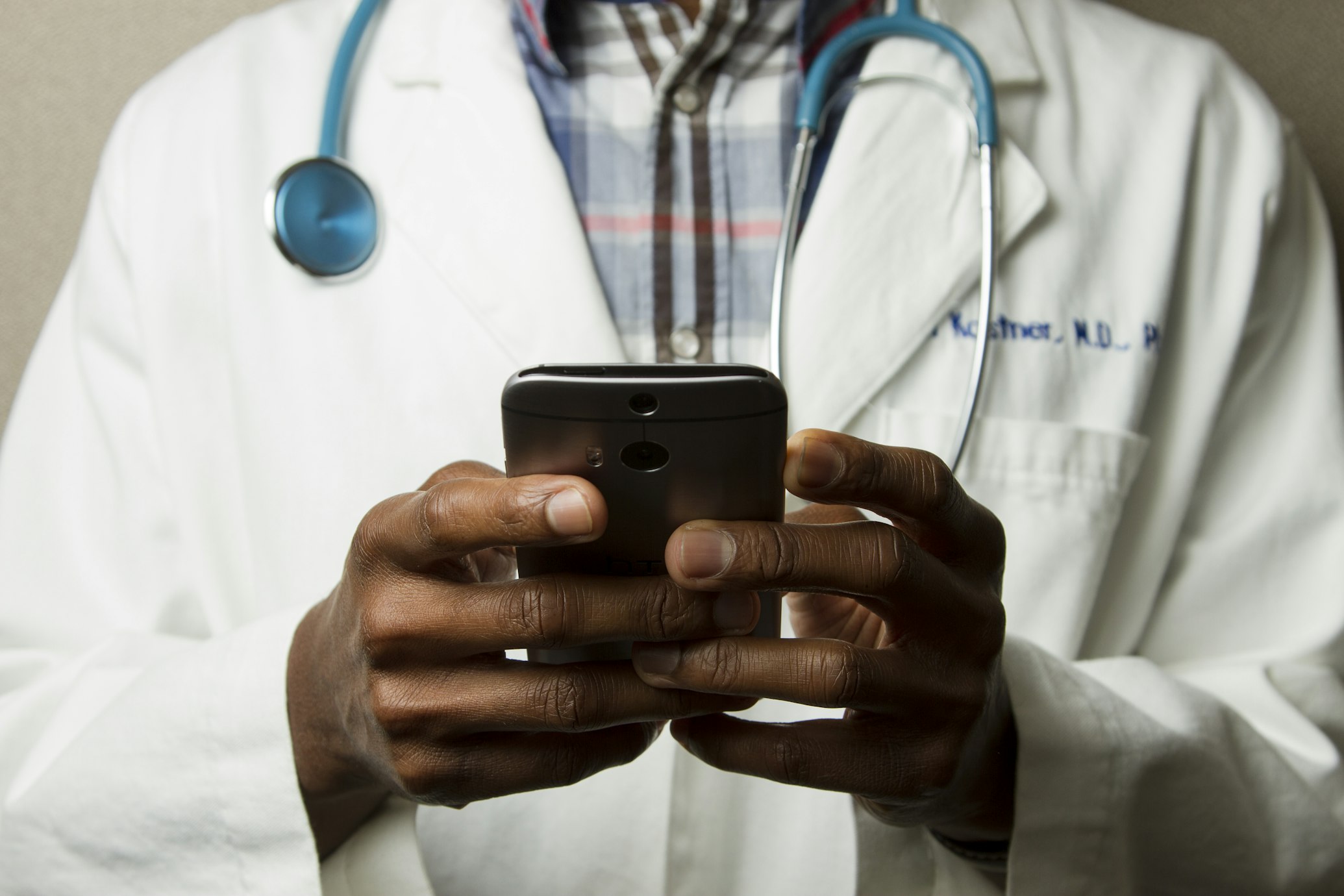
The integration of Artificial Intelligence, particularly computer vision, into medical diagnostics is heralding a new era of healthcare. These technologies are not replacing radiologists and clinicians, but are instead augmenting their abilities, leading to earlier diagnoses, more accurate results, and better patient outcomes.
Superhuman Accuracy in Medical Imaging
Our computer vision models are trained on millions of medical images—X-rays, CT scans, and MRIs. They learn to identify subtle patterns and anomalies that may be invisible to the human eye. In recent trials, our models have demonstrated a higher accuracy rate than human experts in detecting certain types of early-stage cancers from mammograms and lung scans.
This capability allows for earlier intervention, which is often the most critical factor in successful treatment. By flagging suspicious areas for the radiologist to review, the AI acts as a second pair of eyes, reducing the chance of human error and improving the overall diagnostic workflow.
Predictive Analytics for Proactive Care
Beyond image analysis, AI is being used to analyze comprehensive patient data, including electronic health records, genetic information, and lifestyle factors. By identifying high-risk patients before they show symptoms, healthcare providers can move from a reactive to a proactive model of care. This can significantly reduce the incidence of chronic diseases like diabetes and heart disease through early, targeted interventions.